Seven Plumbing Problems That Require a Boston Plumber
October 5, 2026

Call or Text
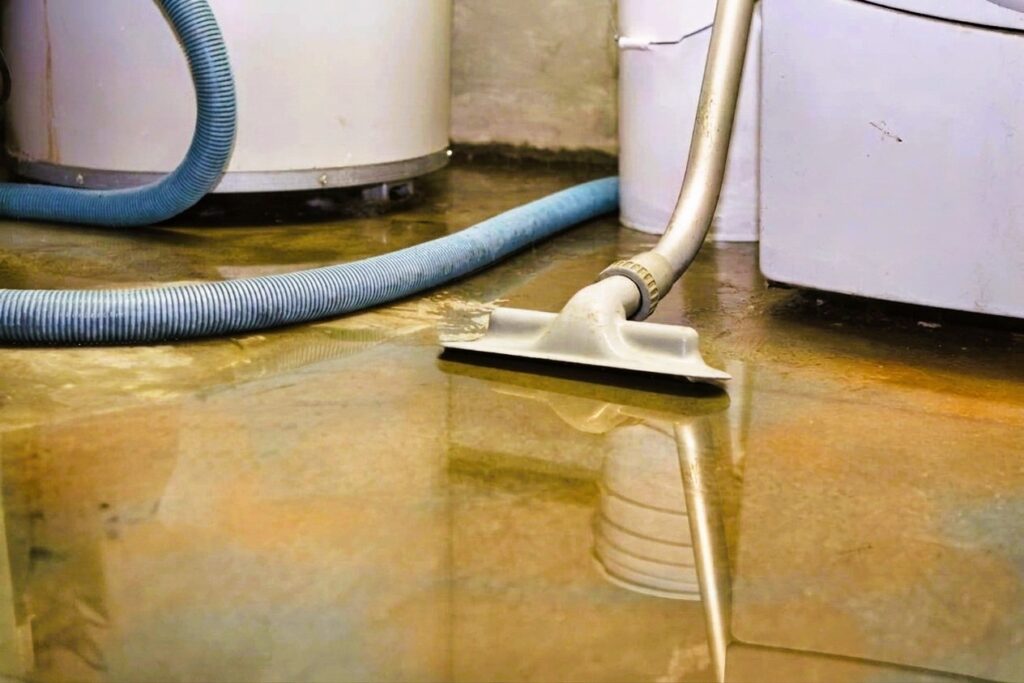
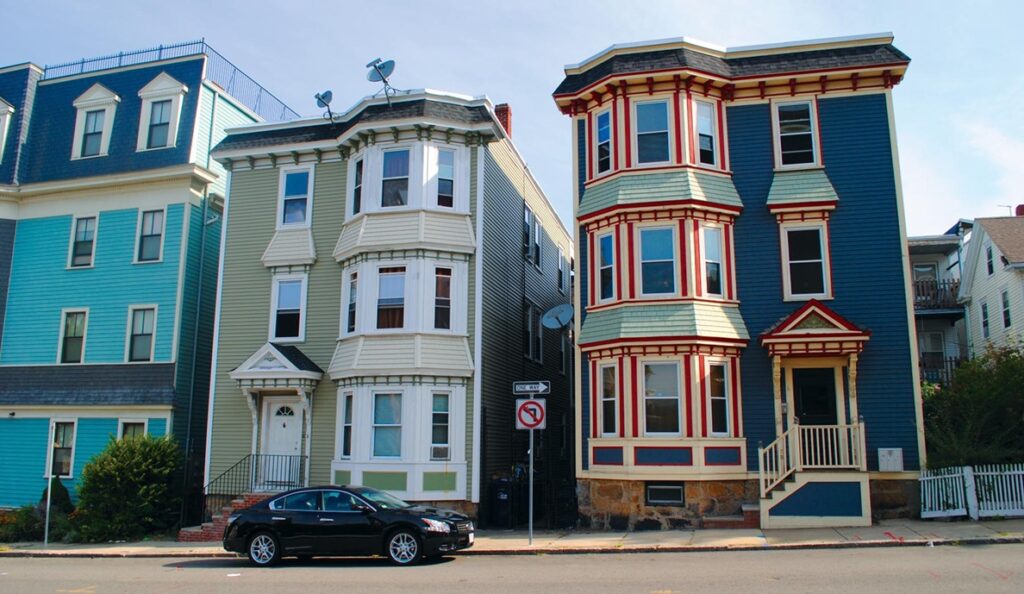
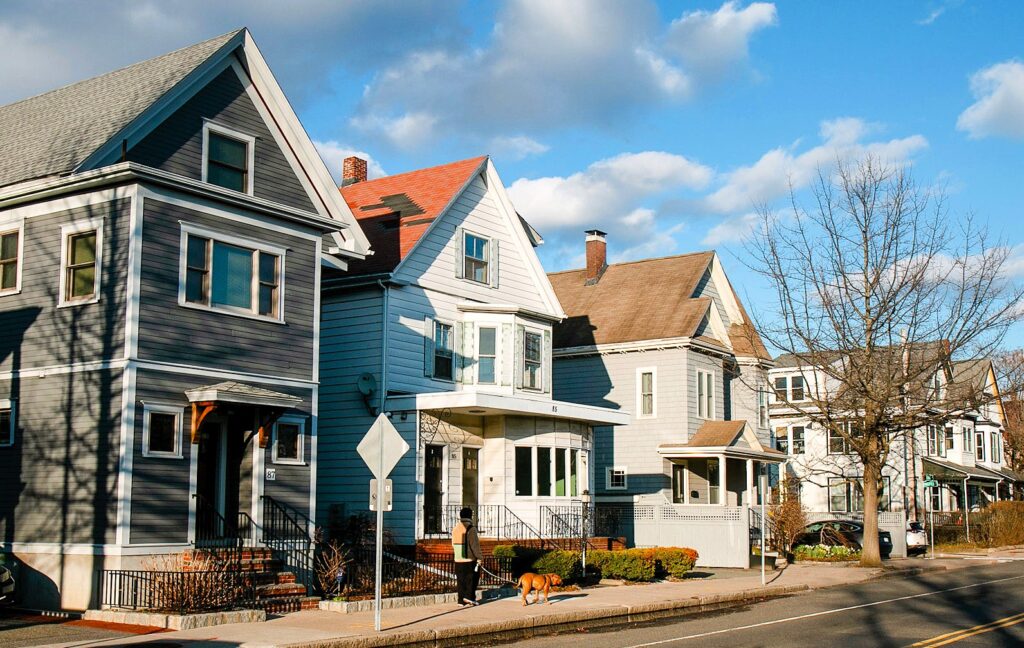
Finding standing water on your basement floor is every Boston homeowner’s nightmare. Whether you own a classic triple-decker in Dorchester, a historic brownstone in Cambridge, or a colonial in Brookline, aging infrastructure and old plumbing systems present constant maintenance challenges.
While many homeowners immediately fear expensive excavation or structural foundation work, the truth is that a significant percentage of basement water issues stem from indoor plumbing fixtures and exposed pipe connections. Catching these plumbing failures early saves thousands of dollars in water damage and keeps your home safe.
Here is a breakdown of the most frequent indoor plumbing causes behind wet basement floors in Greater Boston and what you should do when they happen.
In parts of Boston like Cambridge, Somerville & Dorchester, the main water shut-off valve is often the original gate valve installed decades ago. Over time, packing nuts dry out, valve stems corrode, and internal seals wear out. Because the main shut-off sits close to the concrete slab where cold water enters the building, small drips can quietly pool on the floor for weeks.
The Warning Signs: Greenish corrosion (verdigris) around the valve brass, constant moisture near the water meter, or water pooling near the front foundation wall.
The Fix: An experienced Boston plumber can isolate the water line and replace outdated gate valves with modern, reliable full-port ball valves that open and close smoothly without leaking.
Basements in older Greater Boston homes frequently double as utility rooms housing slop sinks, washing machine hookups, and exposed overhead drain lines. Cast iron, galvanized steel, and older brass drain pipes naturally degrade from the inside out due to decades of soap scum, mineral deposits, and standing water.
The Warning Signs: Pinhole leaks on exposed overhead pipes, slow drips beneath laundry sinks, or damp spots beneath hanging PVC or brass drain traps.
The Fix: Replacing corroded section lines or updating old metal P-traps with modern, watertight piping prevents slow leaks from rotting out floor joists or damaging basement storage. A reliable Cambridge plumber like T-Flow Plumbing is a great start!
Water heaters work double duty in New England climates. As units age, thermal expansion and heavy mineral content in municipal water take a toll on internal tanks and plumbing connections. Water pooling directly around the base of your water heater often points to three specific internal plumbing issues:
Failing Temperature & Pressure (T&P) Relief Valve: If pressure or temperature spikes, this safety valve discharges water onto the floor. A dripping T&P valve usually means the valve itself has failed or your thermal expansion tank needs service.
Corroded Flex Lines: The top copper or braided supply lines can develop hairline cracks near the fittings.
Internal Tank Failure: Once the inner glass-lined tank corrodes through, the unit must be replaced before a total rupture occurs.
Having an experienced local plumber inspect your hot water system early prevents sudden basement floods.
If your home relies on a sump pump to handle groundwater, the pump itself is only half the equation. The check valve—a small mechanical valve installed on the discharge pipe above the pit—prevents pumped water from flowing backward into the basin once the pump turns off.
When a check valve wears out or cracks, water pumps out, drops right back down, and overflows the pit back onto your basement floor.
The Warning Signs: The pump runs continuously, makes loud thumping noises when stopping, or water trickles down the outside of the discharge pipe.
The Fix: Replacing a faulty check valve or upgrading a worn-out pump is a quick, straightforward fix that restores proper drainage immediately.
Plumbing systems in historic Boston, Somerville, and Dedham homes were built using materials and techniques that modern cookie-cutter plumbing guides simply don’t address. Working with older threaded iron pipe, delicate lead bends, and cramped utility corners requires real local experience.
Attempting DIY repairs on corroded shut-off valves or main lines can turn a minor drip into a major emergency. Working with a licensed, owner-operated Boston plumbing company ensures:
Don’t let a small plumbing drip turn into an expensive basement cleanup. T-Flow Plumbing has been providing honest, reliable, and high-quality plumbing repairs across Greater Boston, Cambridge, Brookline, Somerville, and surrounding areas since 2001.
T-Flow Plumbing provides professional drain cleaning in Boston, emergency plumbing repairs, leak detection, water heater repair, and sink and shower installations throughout Dorchester, Boston, Cambridge, Dedham, and Greater Boston.
Keeping Boston’s historic homes running smoothly isn’t just our job—it’s what we do every day. We’ll show you why we’re Boston’s most reliable plumber since 2001. Simply contact us below and speak to the owner – (617) 818-1229 or TFlowplumbing@yahoo.com
Thank You! We Look Forward To Serving You!